

 Contributed by Lucas Carson, Geologist, PPM Consultants
Let’s be honest—when most people think about a construction site, they picture cranes, bulldozers, and maybe some heroic ironworkers eating lunch on steel beams high above the ground. Nobody imagines the humble silt fence. And yet, while that flimsy-looking black fabric stretched between stakes doesn’t scream “exciting,” it might be the most important thing standing between your project and a regulatory nightmare.
Yes, today I’m talking about erosion control. Don’t yawn just yet—it’s more interesting (and way more important) than it sounds. Think of erosion control as the seatbelt of your jobsite: you don’t always notice it, but when things go sideways, you’ll be very glad it’s there.
Why Should We Care About Erosion Control?
- Because Mother Nature Has No Chill
Rain, wind, gravity—they don’t care about your project timeline. Strip the vegetation off a site and suddenly you’ve invited Mother Nature to come in like a wrecking ball. Without roots to hold soil in place, it only takes one good downpour to send your dirt floating downstream like it’s auditioning for “So You Think You Can Swim.”
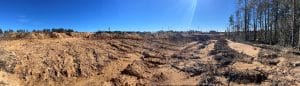
If you’ve ever seen a freshly graded site after a thunderstorm, you know the look: rivers of chocolate milk-colored runoff carrying away your topsoil. That’s not just ugly—that’s costly. Every inch of soil that washes away is an inch you’ll have to replace, re-grade, or explain to the inspector who just showed up with a clipboard and a frown.
- Because Regulators Are Always Watching
Here’s a little secret: environmental regulators have zero sense of humor when it comes to sediment leaving your site. You might find it funny to joke about your “riverfront property” after a storm, but the EPA and local agencies? Not laughing.
Stormwater pollution prevention isn’t optional. It’s the law. And fines for non-compliance can add up faster than you can say “runoff.” Some contractors have learned the hard way that skimping on erosion control is like playing poker with your mortgage payment—sure, you might win, but odds are you’re going to regret it.
- Because Neighbors Don’t Like Muddy Lawns
Picture this: you’ve just started work on a big residential development. Everything’s going great—until the first rainstorm turns your site runoff into a slipstream that lands squarely in the neighborhood pond. Suddenly, the water looks like chocolate pudding, the fish are gasping, and Mrs. Wilson down the street is demanding to know why her poodle smells like swamp.
Now you’ve got bad press, angry neighbors, and maybe even TV cameras rolling in. All because you didn’t put up a sediment barrier. Trust me, you’d rather deal with a cranky excavator operator than a cranky homeowner’s association.
- Because It’s Cheaper to Prevent Than to Fix
Here’s some math even the most budget-conscious project manager can appreciate: erosion controls might run you a few thousand dollars on the front end. But dredging a silted-in retention pond? Tens of thousands. Rebuilding washed-out slopes? Even more. Paying fines while your project gets delayed? Don’t even ask.
So yes, erosion control costs money. But compared to the alternative, it’s the best bargain on the jobsite.
Tools of the Trade: Erosion Control Greatest Hits (known as Best Management Practices)
So how do we keep the dirt where it belongs? Glad you asked. Let’s go through the lineup of erosion control MVPs.
Silt Fences
They may look like black plastic laundry lines, but silt fences are your first line of defense. Installed properly (and not just flopping around like spaghetti), they trap sediment while still letting water filter through. Of course, they don’t work if you just toss them up like Christmas decorations—stakes need to be driven in, fabric trenched, and maintenance done after storms.
Stabilized Construction Entrances
Ever seen a dump truck leave a site and decorate the public road with half the jobsite’s mud? Yeah, not a good look. Stabilized entrances—usually rock pads at site exits—help knock the mud off tires before trucks hit the street. They won’t make your equipment sparkle, but they will save you from public works sending you a nasty letter.
Sediment Basins and Traps
Think of these as holding tanks for dirty water. Instead of letting muddy runoff race straight into a creek, sediment basins slow the flow, giving soil particles time to settle out. It’s basically like putting your stormwater in time-out until it behaves.
Erosion Control Blankets
No, you don’t tuck your dirt in at night—but erosion control blankets (often made of straw, coir, or jute) keep soil in place until vegetation takes over. Perfect for slopes that would otherwise wash away faster than free food at a tailgate.
Vegetation and Seeding
Mother Nature may be tough, but she also provides her own best erosion control: plants. As soon as grading is done, seed and mulch that bare soil. Roots hold soil in place, and green grass looks way better than a mud pit anyway.
Check Dams and Wattles
These little barriers—sometimes made of rock, straw, or fiber rolls—slow down water in ditches and channels. Think of them as speed bumps for runoff. They won’t stop it completely, but they’ll reduce the energy so sediment can drop out.
Common Erosion Control Fails (and How to Avoid Them)
- The “Good Enough” Silt Fence
A fence lying flat on the ground is not a silt fence—it’s landscaping trash. Take the time to trench it in and keep it upright. - Forgetting Maintenance
Erosion control is not “set it and forget it.” After a storm, check your controls. If they’re clogged, ripped, or underwater, they’re about as effective as a screen door on a submarine. - Installing Controls Too Late
Putting up erosion controls after the first storm is like buying flood insurance after your basement fills with water. Get them in early—before the first raindrop falls. - Assuming Vegetation Will Magically Grow
Tossing seed on bare soil in the middle of July without water is basically feeding the birds, not establishing grass. Plan for proper soil prep, timing, and irrigation if needed.
The Human Factor: Why Culture Matters
Here’s the truth: erosion control only works if people on site care about it. You can have the best stormwater pollution prevention plan (SWPPP) in the world, but if the crew sees silt fences as “optional décor,” you’re sunk.
That’s why training and culture are key. Make erosion control part of your daily site checks. Treat it like safety—it’s everyone’s job. Celebrate when crews get it right, and correct issues before they snowball. A foreman who respects erosion control sets the tone for the whole jobsite.
And hey, if humor helps the message stick, use it. I’ve seen project managers slap up signs like “Don’t Dump Dirt in the Creek—The Fish Don’t Want It.” Corny? Sure. Effective? Absolutely.
Big Picture: It’s Not Just About Dirt
Erosion control isn’t just about keeping inspectors happy. It’s about protecting waterways, wildlife, and the communities around your project. Sediment is one of the top pollutants in rivers and lakes. Too much of it clouds the water, smothers aquatic habitats, and disrupts ecosystems.
In other words, when you let your soil wash away, it doesn’t just hurt your project—it hurts everybody downstream. And nobody wants to be “that contractor” whose project killed the fishing hole.
Wrapping It Up (Before the Next Storm Hits)
Erosion control may not be glamorous. You won’t see it featured in glossy construction magazines or bragged about in ribbon-cutting ceremonies. But it’s the quiet hero of development—the stuff that keeps projects on schedule, neighbors off your back, and regulators from handing you fines the size of a small country’s GDP.
So, the next time you’re tempted to skimp on erosion control, remember:
- Dirt belongs on your site, not in the river.
- A $2 stake and a strip of fabric can save you thousands.
- Regulators don’t laugh at mud jokes.
- And Mrs. Wilson’s poodle? She’s counting on you.
Do it right, do it early, and maintain it. Your project, your reputation, and yes, even the fish will thank you.
Below are some useful links:
Permit Forms and other information here
If you have any questions about construction stormwater issues, please feel free to contact me at lucas.carson@ppmco.com.