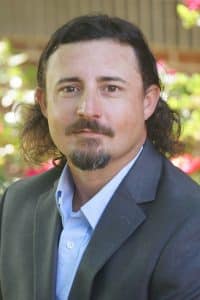
 Contributed by Josh Walz, Project Manager, PPM Consultants
In environmental consulting, it is easy to think of due diligence, compliance inspections, and routine site visits as checklist-driven work. There is a form to complete, a scope to follow, photographs to take, records to review, and a report to issue. Those steps matter. They create consistency, protect the client, and help ensure the work meets the applicable standard of care. But the value of a good environmental professional has never come from the checklist alone.
The value comes from knowing what to notice, understanding why it matters, and communicating the business impact clearly enough for a client to make a better decision. Whether the project is a Phase I Environmental Site Assessment, a compliance evaluation, a corrective action site visit, a stormwater inspection, or a pre-acquisition walk-through, the field portion of the work often determines whether a report becomes a useful decision-making tool or just another document in the file. A sharp observation made at the right time can prevent a costly surprise later.
The Site Usually Tells a Story
Every property has a history. Sometimes that history is well documented in regulatory databases, aerial photographs, city directories, Sanborn maps, or prior environmental reports. Other times, the most important clues are sitting in plain sight.
A stained concrete pad near an old service area may suggest former drum storage or equipment maintenance. An unlabeled floor drain in a production space may raise questions about historical discharge practices. A patch of distressed vegetation near an outfall may warrant a closer look. A gravel area with multiple generations of fill material may tell a different story than the current site use suggests. Even the location of dumpsters, transformers, loading docks, clarifiers, sumps, vents, and former building foundations can help connect the dots between past operations and current environmental risk.
These observations do not automatically mean there is a problem. They mean the environmental professional has identified something worth understanding before a business decision is made. That distinction is important. The goal is not to create unnecessary concern. The goal is to identify potential environmental conditions early, evaluate them appropriately, and help the client avoid making assumptions that later become expensive.
Environmental Risk Is Often a Timing Problem
Many environmental issues become more difficult because they are discovered too late.
In a real estate transaction, late discovery can affect financing, closing schedules, purchase agreements, escrow negotiations, and post-closing obligations. In an industrial setting, late discovery can lead to compliance exposure, operational disruption, unexpected capital expenses, or avoidable enforcement risk. On an active construction or redevelopment project, late discovery can stop work, trigger additional sampling, create waste management questions, or require redesign.
The technical issue may be manageable, but the timing can make it painful. That is why good field work is so valuable. Early observations allow the project team to ask better questions while there is still time to act. Is there documentation showing that the floor drain was closed properly? Was the former tank removed with closure records? Are there permits for the treatment unit? Has the stained area been evaluated? Is the outfall included in the stormwater plan? Does the current tenant know what materials were historically stored in that area?
The sooner those questions are asked, the more options the client usually has.
Photographs Are Not Just Pictures
One habit that separates strong field documentation from average field documentation is purposeful photography. Digital cameras and mobile phones make it easy to take hundreds of photographs. More photos, however, do not always mean better documentation.
A useful photograph should answer a question or preserve context. It should show where the observation is located, what the concern is, and why it may be relevant. A close-up of staining may be helpful, but a wider photograph showing the stained area in relation to a loading dock, drain, or equipment pad may be even more useful. A photo of a container label may matter, but documenting where that container is stored and whether secondary containment is present may matter more.
Good photographs also help later when the project team is reviewing findings, preparing recommendations, or explaining conditions to a client who was not present at the site. They can reduce ambiguity, support the report narrative, and help technical reviewers understand the basis for conclusions. The best field notes and photographs do not simply document that the consultant was there. They help recreate the site visit for everyone who was not.
Compliance and Due Diligence Overlap More Than People Think
Clients often think about environmental due diligence and environmental compliance as separate categories. Due diligence is associated with buying, selling, financing, or refinancing property. Compliance is associated with permits, plans, inspections, and ongoing operations. In practice, the two often overlap.
A Phase I ESA may identify current operations that appear to lack proper waste labeling or stormwater controls. A compliance inspection may reveal historical features that raise questions about past releases. A site visit for one scope may uncover an issue that belongs in another conversation. When that happens, the consultant’s role is to recognize the boundary of the current assignment while still helping the client understand the significance of the observation.
For example, a site may have no obvious evidence of a recognized environmental condition tied to a historical release, but it may still have compliance gaps that deserve attention. Conversely, a facility may be generally well managed today, but historical operations may still warrant additional evaluation during a transaction.
The client benefits when the environmental professional can explain those differences clearly. Not every finding belongs in the same regulatory bucket, and not every risk requires the same response.
Practical Communication Moves Projects Forward
Technical accuracy is essential, but communication is what turns technical work into useful guidance. A client does not only need to know that a concern exists. They need to know what it may mean, how confident the project team is, what information is missing, and what practical next steps are available. A finding should be written in a way that helps the client understand the range of outcomes.
For example, instead of simply stating that staining was observed, a stronger discussion may explain the location, apparent source, whether a drain or sensitive receptor was nearby, whether the area appeared active or historical, whether records addressed the condition, and whether additional evaluation is recommended. That type of explanation gives the client a basis for action.
Good communication also avoids overstating certainty. Field observations often point to possibilities, not conclusions. The professional judgment comes from describing what is known, what is unknown, and what can reasonably be done next.
AI Can Help, But It Cannot Walk the Site
Artificial intelligence is becoming a useful tool for brainstorming, organizing information, drafting outlines, summarizing records, and improving communication. It can help environmental professionals work more efficiently, especially when turning technical information into client-ready language.
But AI cannot replace professional judgment in the field.
It cannot smell petroleum odors near a former maintenance area. It cannot notice that a stormwater inlet is downhill from outdoor storage. It cannot recognize when a site contact’s explanation does not match what is visible on the ground. It cannot decide whether a small observation is actually a meaningful clue.
That is why the future of environmental consulting is not simply about using better tools. It is about combining better tools with better judgment.
The Small Details Can Protect Big Decisions
Environmental work often comes down to details. The location of a drain. The age of a tank. The condition of a containment area. The wording in an old report. The difference between active use and historical use. The answer to one follow-up question during a site walk.
Those details may seem small in the moment, but they can influence negotiations, compliance priorities, cleanup planning, redevelopment schedules, and long-term business risk.
A checklist helps ensure the basics are covered. A strong environmental professional goes further by understanding what the checklist is trying to reveal.
For clients, the takeaway is simple: do not underestimate the value of a thorough site visit and a well-documented observation. For consultants, the reminder is just as important: the most useful work often happens when we slow down, look closely, ask good questions, and connect field conditions to real-world decisions. If you have any questions, please email me at josh.walz@ppmco.com.
If you’d like to see more articles like this on a weekly basis, consider subscribing to the PPM Environmental Journal. Click HERE to subscribe.